November 6, 2026
When you live on a property that relies on an underground wastewater system, keeping up with routine maintenance is one of the most important responsibilities you have as a homeowner. According to the U.S. Environmental Protection Agency, over 20% of homes across the U.S. depend on private septic tanks or localized cluster systems for wastewater treatment. Despite how common these systems are, many property owners remain unclear about the specific maintenance services required to keep them running smoothly.
It isn't uncommon to hear people use terms like pumping and cleaning as if they mean the exact same thing, but in reality, they refer to two distinct levels of service with different maintenance goals. Understanding the structural differences between these two operations helps you make smarter decisions about your property's infrastructure, prevents unexpected plumbing backups, and ensures you hire professional septic companies for the exact service your system requires.
Understanding the Pumping Process
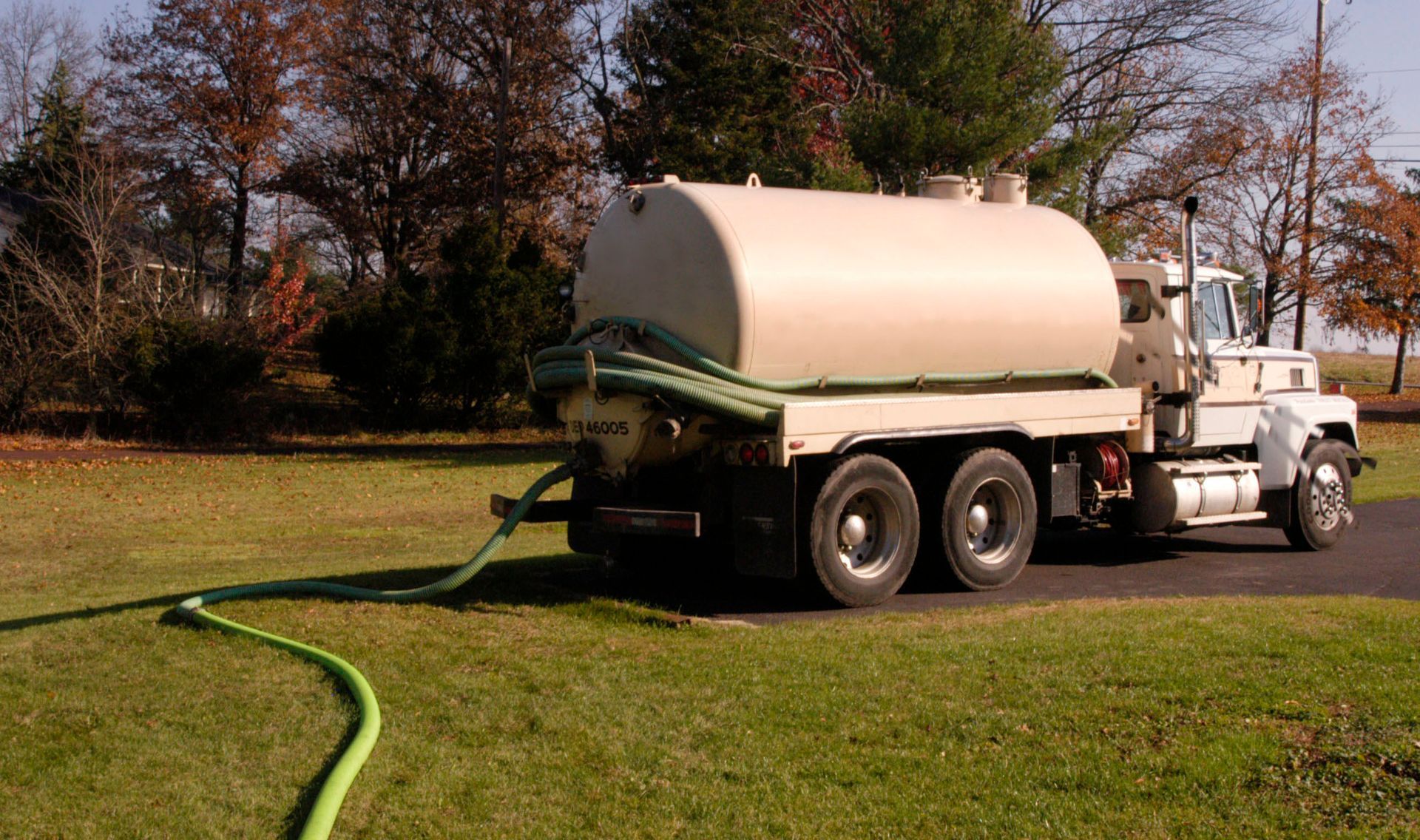
The primary function of routine septic pumping is to remove the liquid and the floating layers of waste that naturally accumulate in your tank over time. Inside your tank, household wastewater separates into three distinct layers: heavy solids sink to the bottom to form sludge, lighter materials like grease and oil float to the top as scum, and relatively clear liquid remains sandwiched in the middle. When you hire septic companies to perform a standard pumping service, the technician inserts a large suction hose into the access port and vacuums out the liquid layer along with the floating scum and the top portions of loose sludge. This straightforward process frees up vital liquid capacity inside the tank so that incoming wastewater has enough time to settle properly before flowing into your leach field.
Standard pumping serves as the essential baseline for routine maintenance that every property owner should schedule every three to five years depending on household size. Because pumping focuses primarily on removing liquid volume and loose debris, it's a relatively quick and economical procedure that prevents solids from escaping into your drain field, where they can cause catastrophic clogging. However, pumping alone doesn't eliminate every bit of heavy, compacted sludge that has settled along the tank floor over years of continuous use. Over extended periods, these stubborn deposits remain behind even after a routine vacuum visit. That's why professional septic companies often recommend evaluating whether a standard liquid pump-out is sufficient for your current situation or if your system has reached a point where it requires a deeper, more comprehensive solution.
Figuring Out the Cleaning Process
While routine pumping handles the everyday accumulation of liquid and light waste, septic tank cleaning is a much more thorough, intensive process designed to restore a neglected or heavily impacted system. During a full cleaning service, technicians don't just vacuum out the liquid contents; they use specialized high-pressure water jets and heavy-duty scraping tools to break down the hardened, compacted sludge that clings to the bottom and side walls of the tank. This deep wash removes stubborn mineral deposits, grease buildup, and packed solids that standard vacuum suction hoses alone can't pull out. By washing down every interior surface and flushing out stubborn debris, septic companies can completely clear out all residual waste, leaving the interior tank structure virtually as clean as the day it was originally installed.
Because of the labor, specialized tools, and technical equipment involved, a full tank cleaning is typically reserved for specific situations rather than routine preventative visits. You might need a complete cleaning if your system hasn't been serviced in many years, if you've recently purchased an older home with an unknown maintenance history, or if heavy grease accumulation has created dense, immovable sludge layers. Additionally, thoroughly cleaning the tank walls and floor gives technicians an unobstructed view of the concrete or plastic structure beneath the grime. This allows expert septic companies to inspect the interior for structural cracks, wall deterioration, or failing baffles that would otherwise remain completely hidden under layers of residual sludge.
Comparing the Key Differences
To figure out which option your property needs, it helps to contrast the primary scope, purpose, and specialized equipment involved in each method. Pumping is designed as preventive maintenance, focusing on liquid removal to maintain everyday operational capacity and prevent drain field clogging. In contrast, cleaning is a restorative service aimed at scrubbing away hard, settled buildup to clear out the tank entirely. While a standard pump-out relies mostly on a truck-mounted vacuum system to draw out liquids, a deep cleaning incorporates high-pressure water jetting, manual surface scraping, and intensive rinsing to scour every square inch of the tank's interior walls and floor.
Another major difference lies in the overall frequency and long-term cost associated with each procedure. Standard pumping is a regular, recurring expense that you should plan for every few years to keep your plumbing system running without unexpected interruption. Cleaning happens far less frequently, often serving as a targeted intervention when a system is severely overloaded, suffering from major flow restrictions, or undergoing a detailed structural inspection. Recognizing these functional distinctions ensures you can communicate clearly with local septic companies when describing your property's symptoms, helping you request the exact service you need without paying for unnecessary labor or under-servicing a struggling wastewater system.
Maintaining Your System Long-Term
Regardless of whether your system needs a routine pump-out or a comprehensive deep clean, establishing a consistent maintenance schedule is the single best way to protect your infrastructure investment. Beyond professional servicing, daily household habits play a massive role in how quickly sludge and scum build up inside your tank. Avoiding the disposal of non-degradable items, harsh cleaning chemicals, excess cooking grease, and heavy paper products down your drains preserves the natural bacterial balance inside the tank, allowing organic solids to break down more effectively and extending the time between necessary services. Managing your household water usage efficiently also prevents hydraulic overload, keeping solids settled safely where they belong.
When you stay proactive with your wastewater management, you prevent minor waste accumulations from escalating into severe system failures, sewage backups, or environmental hazards on your property. Partnering with experienced septic companies allows you to monitor your tank's condition accurately over time, ensuring that subtle issues like rising sludge levels or worn mechanical components are caught and corrected early. Regular professional oversight combined with smart daily water habits keeps your plumbing system dependable, protects your soil and surrounding groundwater, and saves you thousands of dollars in potential emergency repairs down the road.
If you suspect your system is overdue for maintenance or need expert help to choose between routine pumping and deep cleaning, contact ACE Excavation Inc today to request a free estimate on our professional septic services. Our experienced team uses high-grade vacuum equipment and hydro-jetting tools to restore your system safely and effectively. We conduct thorough inspections to catch minor leaks, damaged baffles, or hidden line blockages before they worsen.
Whether you're dealing with persistent drainage issues, unpleasant odors, or simply want routine preventative upkeep, we assess your tank's condition and deliver tailored solutions. Don't wait for minor buildup to turn into costly plumbing emergencies. Reach out to us today to speak with a friendly, knowledgeable specialist, schedule your comprehensive on-site inspection, and protect your wastewater infrastructure and budget long-term.