October 15, 2026
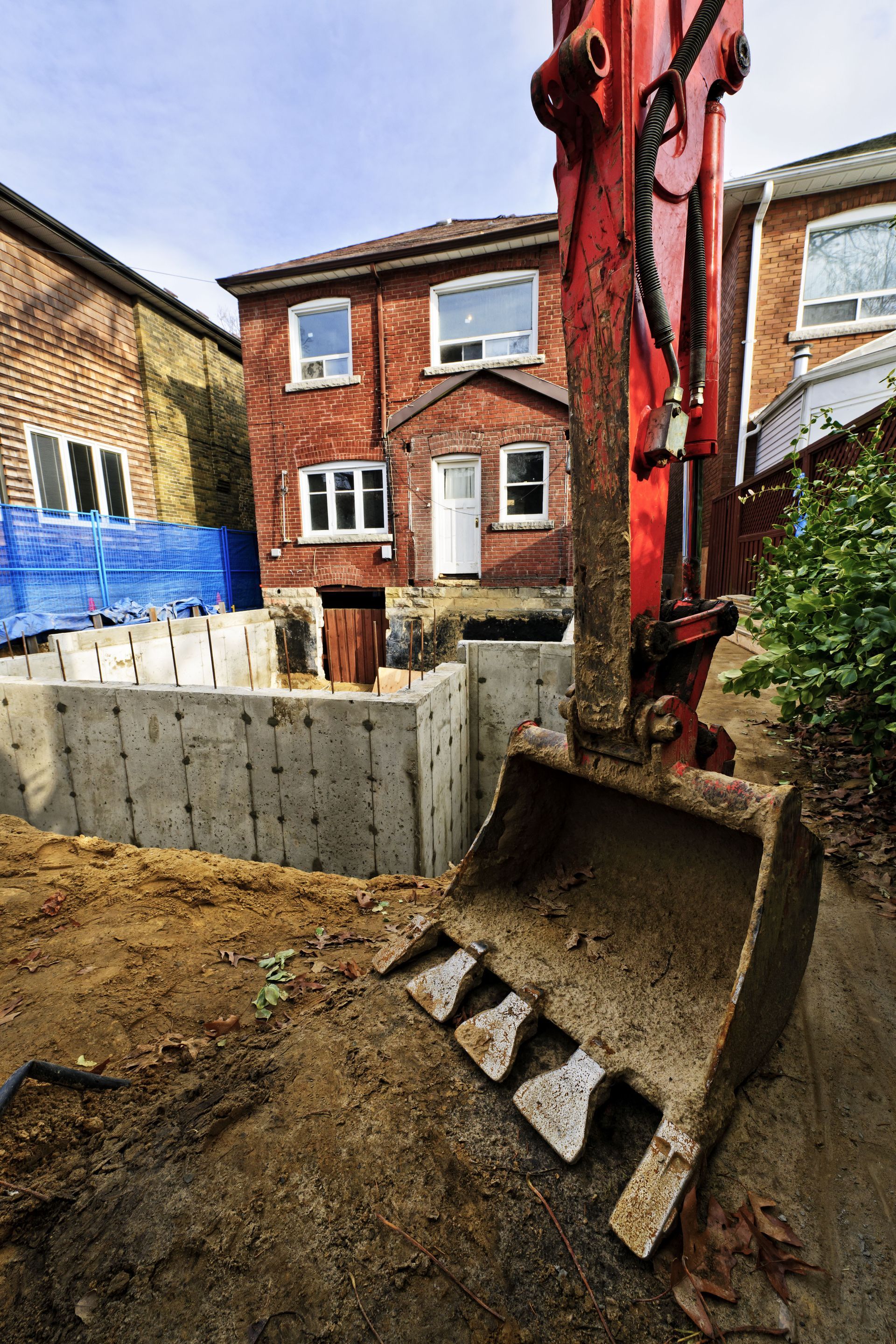
Foundation excavation plays a pivotal role in ensuring the overall stability, structural safety, and long-term longevity of modern buildings. Through careful site assessment, advanced ground testing, and precise earthmoving techniques, potential long-term settlement issues can be mitigated effectively. This process delves into the various ways that foundation excavation can prevent severe structural problems that might arise in the future, highlighting key engineering methods, drainage strategies, and ground preparation techniques pertinent to achieving successful, durable project outcomes across diverse terrain conditions.
1. Assessing Soil Composition and Enhancing Ground Stability
Before any excavation project begins, a comprehensive soil analysis is essential. This process involves evaluating soil characteristics to ensure the ground can reliably support structural weight, studying density, moisture content, organic matter, and chemical composition in detail. Proper analysis informs the selection of techniques and materials suited for specific site conditions, allowing engineers to anticipate issues like poor drainage or shifting ground long before concrete is poured. According to IBISWorld, there are 238,021 excavation contractor businesses operating in the United States, providing the specialized expertise needed to perform these critical assessments and ground stabilization measures safely.
Different soil types react uniquely under pressure and changing weather conditions. Sandy soils drain quickly but often lack stable lateral support, while clay soils expand when wet and contract when dry, putting intense physical stress on foundations. Expansive soils pose distinct challenges that require strategic site grading, moisture barriers, or deep underpinning to reinforce structural stability. In critical scenarios, soil stabilization techniques such as geotextile layering, chemical lime injection, deep soil mixing, or heavy mechanical compaction are employed to eliminate loose voids, increase density, and significantly reduce future shifting risks across all seasonal weather changes.
Determining load-bearing capacity is vital for ensuring a structure remains stable, particularly for multi-story residential or heavy commercial developments. Plate load tests, laboratory shear tests, and cone penetration tests guide structural engineers in designing custom foundation footings that distribute weight evenly across underlying terrain. By conducting rigorous subsurface evaluations, contractors ensure that every square foot of excavated earth possesses the strength needed to sustain the full mass of the finished building without settling unevenly over time.
2. Preparing the Construction Site for Safe Operations
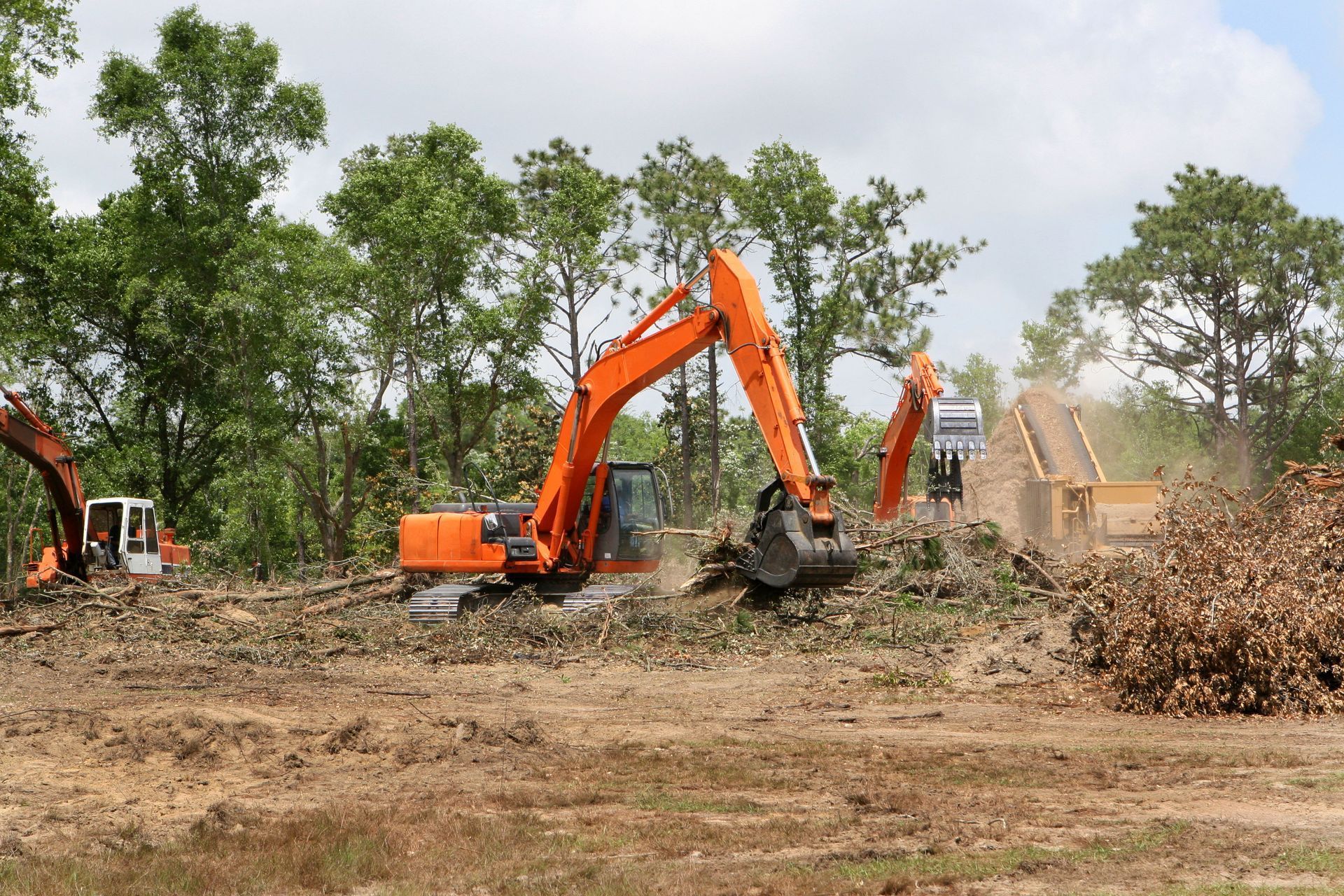
Clearing and grading set the stage for a smooth, efficient build. Removing deep roots, vegetative debris, subsurface organic material, and large boulders ensures a clear working area, while precision grading establishes proper slope angles to divert surface runoff away from footings. Managing water runoff during site preparation reduces surface erosion and prevents soil subgrades from becoming saturated and structurally compromised. Contractors must strictly adhere to local environmental regulations during clearing activities to protect adjacent waterways, mitigate dust pollution, and preserve surrounding ecosystems.
Effective water management while excavating prevents severe foundational damage caused by trapped moisture. Installing temporary and permanent systems such as French drains, perimeter sump pits, well points, or subsurface waterproof membranes controls water flow and prevents pooling around newly laid concrete footings. Addressing water issues during site preparation requires careful planning, but these proactive investments remain crucial for maintaining long-term structural stability and preventing severe foundation cracking down the road.
Geotechnical surveys provide detailed insights into subsurface conditions, identifying underground water tables, bedrock depth, fault lines, and unexpected geological factors to minimize construction delays and safety risks. On previously developed land, excavators carefully clear existing structures using specialized heavy machinery to avoid damaging surrounding soil structures or compromising neighboring utility lines. Throughout the clearing process, dust suppression methods, noise barriers, and silt fencing are actively deployed to maintain regulatory compliance and safeguard the surrounding environment.
3. Utilizing Advanced Techniques for Efficient Earthwork
Modern equipment and methods offer innovative solutions for heavy earthmoving with minimal disruption to adjacent properties. Trenchless technology, such as horizontal directional drilling and pipe jacking, allows contractors to install essential underground utilities without creating massive surface trenches. This approach is particularly advantageous in dense urban environments, significantly reducing traffic delays, surface environmental damage, landscape restoration costs, and overall project timelines.
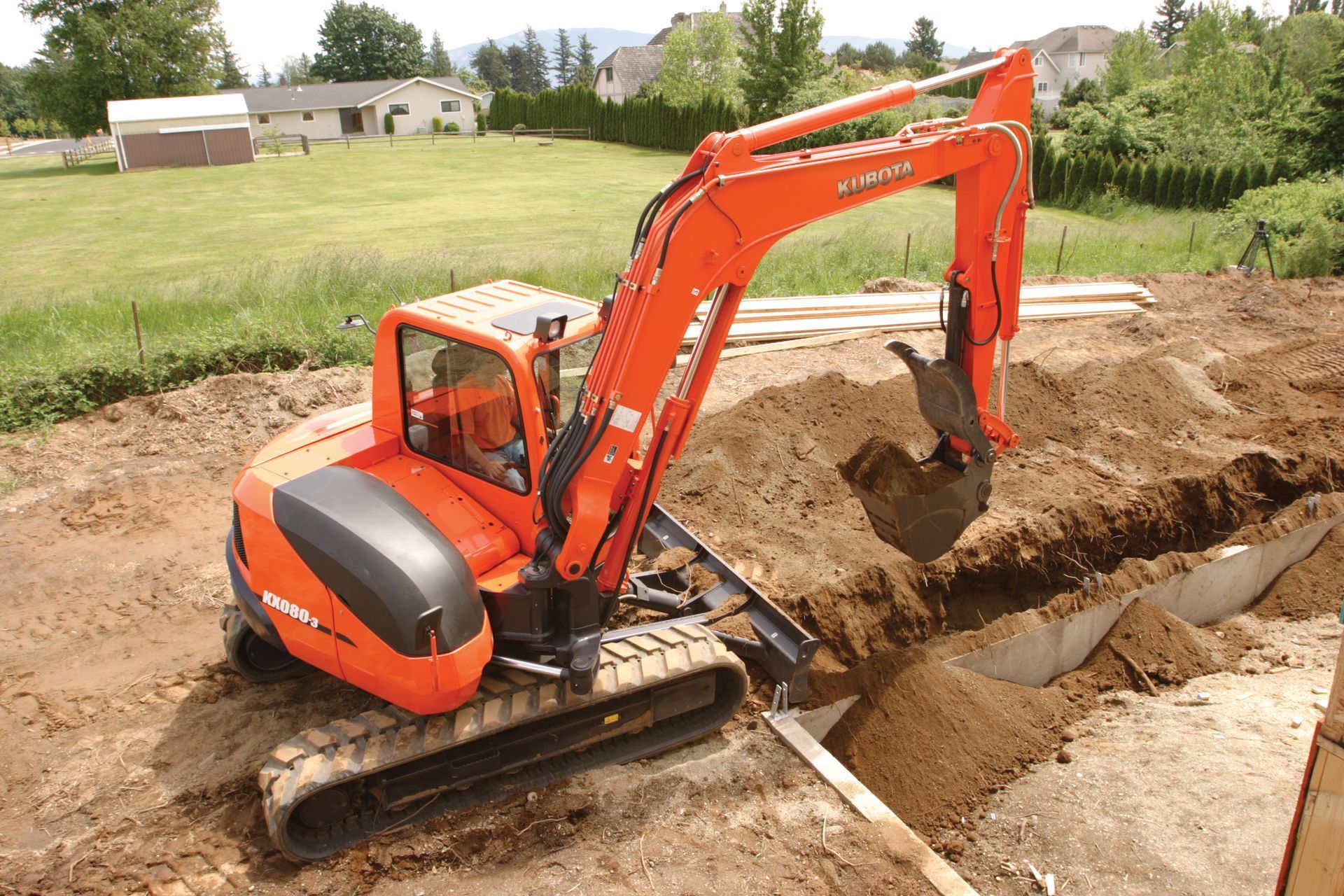
Precision excavating requires modern, high-performance machinery to ensure subgrade excavation is accurate, uniform, and enduring. Matching specialized equipment, such as hydraulic excavators, compact track loaders, long-reach booms, or mini-excavators, to specific site parameters enhances operational safety and crew productivity. In addition, deep shoring and bracing systems, such as steel trench boxes, interlocking sheet piling, or hydraulic frame shores, support exposed earth walls during deep digs to prevent soil cave-ins and protect job site personnel.
For sites encountering dense bedrock or hardpan layers, controlled blasting techniques or heavy hydraulic rock breakers clear hard material efficiently while controlling ground vibration. Technological advancements continue to transform heavy earthmoving practices, with GPS-guided machine control systems, automated laser levels, and 3D terrain modeling tools ensuring exact depth and slope alignment. Utilizing these advanced technologies reduces human error, optimizes fuel consumption, accelerates timelines, and establishes an extraordinarily accurate subgrade foundation.
4. Implementing Comprehensive Drainage and Water Control Systems
A well-engineered drainage system is fundamental to long-term foundation survival. Effective planning involves analyzing local rainfall patterns, slope topography, soil permeability, and surface water runoff channels to divert stormwater away from the building envelope. Utilizing strategic surface grading, bioswales, perimeter drainage channels, and catch basins ensures surface water is directed safely toward local storm sewer systems rather than pooling near foundation walls.
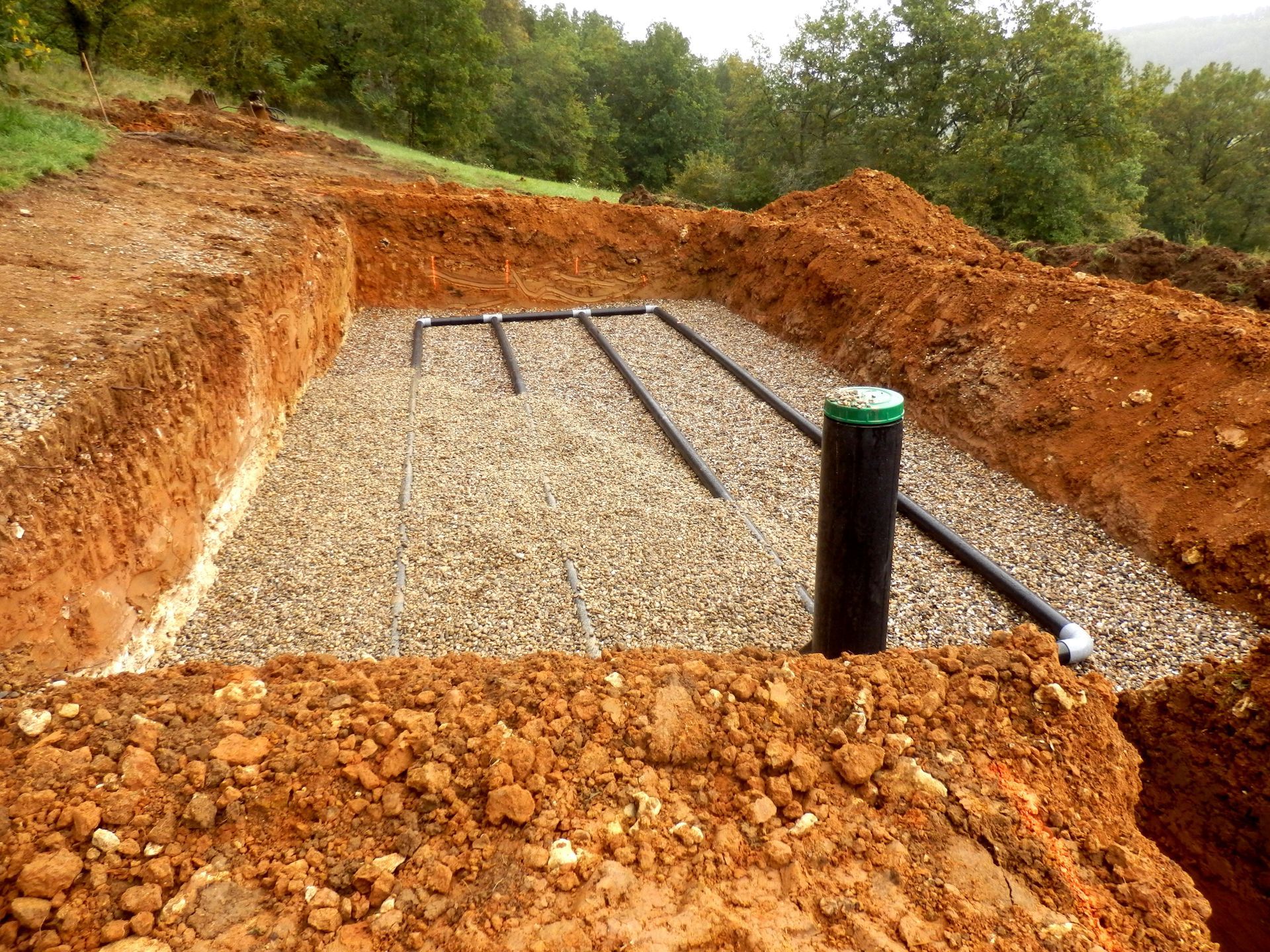
Subsurface drainage networks, including perforated drain tiles wrapped in geotextile fabric and backfilled with crushed stone, actively collect and direct groundwater away from deep footings. By relieving hydrostatic pressure against basement walls and retaining structures, these subsurface systems eliminate key drivers of moisture infiltration, bowing walls, efflorescence, and structural concrete degradation. Implementing robust underground drainage systems during early site preparation guarantees protection even during extreme weather events and sudden water table rises.
Proactively managing water runoff yields benefits that extend across the entire lifespan of the structure. Efficient moisture management preserves structural integrity, protects surrounding landscaping from washouts, prevents soil erosion, and eliminates costly foundation repairs or basement flooding. Comprehensive drainage solutions preserve property value and deliver dry, solid foundations that stand resilient for decades to come.
5. Mitigating Structural Weaknesses Through Engineering Precision
Identifying potential structural vulnerabilities during the planning and earthmoving phase allows architectural and engineering teams to reinforce designs proactively. Advanced structural software and finite element modeling simulate complex soil-structure interactions, guiding necessary adjustments to footing depths, thickness, and load distribution strategies. Correcting potential foundation weaknesses prior to construction eliminates the need for expensive structural retrofitting, underpinning, or jacking operations in later years.
Incorporating tailored structural reinforcements, such as grade beams, steel rebar matrices, post-tensioned slabs, helical piers, and reinforced concrete piers, distributes weight evenly across variable soil layers. Choosing high-grade construction materials and engineered concrete mixes further boosts resistance against aggressive soil chemicals, sulfate attacks, and severe freeze-thaw cycles. While premium materials and specialized designs involve higher initial capital investments, they deliver substantial savings by minimizing long-term structural maintenance and repair needs.
Continuous quality control monitoring throughout earthmoving and foundation installation ensures strict adherence to structural engineering specifications. Smart monitoring sensors, soil compaction testing, nuclear density testing, and regular field inspections by licensed engineers provide verified real-time data on ground stability. Following these rigorous quality control protocols ensures full compliance with municipal building codes, legal safety mandates, and environmental standards. For more information about the services that we offer, reach out to our incredible team at ACE Excavation Inc today!